Hearing Loss
Tinnitus: Causes, Research and Treatments
While many people may not be aware of what Tinnitus actually is, it is a condition that a lot of people suffer from on a daily basis and have learnt to live their life in a certain manner. To be able to educate you better on what Tinnitus really is, how it is caused, how it can be treated and an in-depth discussion on research being conducted around it, we have compiled some insightful information.
So, what is Tinnitus?
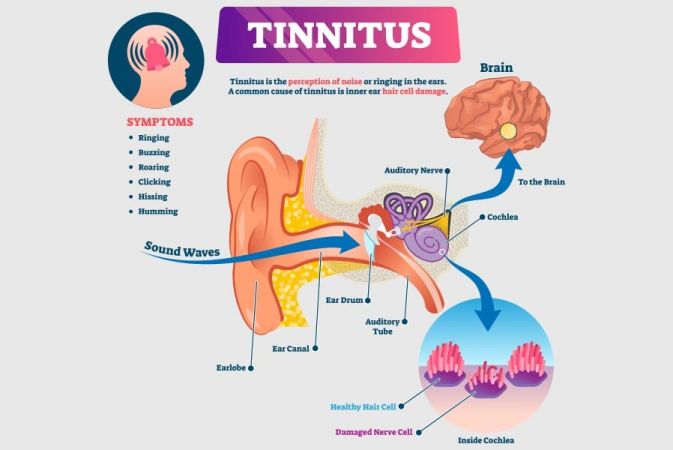
To be able to discuss Tinnitus, it is important that you first get a fair idea as to what it actually is. Tinnitus is not a disease in itself. Yes, you read that correctly. It is basically an underlying symptom of the real problem. Tinnitus can be best described as a ringing sound that you constantly hear in your ears. It is a type of a sensation that causes discomfort and becomes a hurdle in the hearing ability of a person.
The sounds could vary from:
- Whistle
- Buzz
- Grind
- Chirp
- Hiss
What are the causes of Tinnitus?
While the actual cause of Tinnitus is still unknown due to it being a symptom rather than being a disease in itself, it is most often than not, linked with hearing problems or loss in hearing aid. According to recent findings pertaining to the cause of Tinnitus, it is found that when the centre of the brain becomes overstimulated that is when the auditory processing can no longer respond to the cause, causing hearing loss. On the other hand, in other cases, it has also been found that loss of hearing cannot be entirely measured.
The following causes of Tinnitus can make the condition worse:
- Excessive wax in the ears
- Ear infections
- Use of medications
- Hearing loss causing by noise
- Any heart diseases
- Head trauma
- Depression
- Stress
- Anxiety
- Neck trauma
- Misalignment in the jaw
- Acoustic neuroma
Research about Tinnitus
According to recent research being done around Tinnitus, the sounds and noises that cause it to happen can vary from being intermittent to continuous. A lot of people who suffer from it complain about the background noise being low and causing them more discomfort. Most of the time, they hear the hissing noise at night when there is no other sound in the background in a quiet setting.
In a few cases, it has also been reported that the person dealing with this problem can actually hear their own heartbeat in synchronisation with other sounds. This type of Tinnitus is called the Pulsatile Tinnitus. This can be quite annoying for people and cause a distraction in their day to day dealings. It means that people can also have a disturbed sleeping cycle. Tinnitus could result in severe psychological issues in the long run if not diagnosed properly.
An infographic about Tinnitus which was made by Amplifon showed that about 50% of the people who suffer from this condition find it to be severely intervening with their daily life. About 93% of these people have yet never consulted for medical help in this regard.
How can Tinnitus be treated?
Contrary to popular belief, Tinnitus is a condition that can be treated if diagnosed and treated well in time. While you never know how and when you will develop this problem, it is better to be safe then to be sorry later.
Tinnitus requires you to take care of how much exposure you have to different kinds of sounds. There are different protocols that should be followed.
Filed under Hearing Loss
Are you looking for ear wax removal?
These clinics are part of our network. Open a clinic's page to see what it offers, when it is open and how to book.