Gentle suction under magnification
Microsuction ear wax removal
Microsuction lifts ear wax out with a thin suction tube while the clinician looks into your ear through magnification. Nothing wet goes in, the removal usually takes a few minutes per ear, and most people find it noisy rather than painful.

At a glance
- How long it takes
- Usually a few minutes per ear
- What it feels like
- Noisy, but rarely painful
- Drops beforehand
- Often suggested for a few days, not always needed
- Water used
- None
- Who does it
- A trained audiologist, nurse or ear care practitioner
- NHS and NICE position
- One of the methods NICE says trained practitioners can use
In short
- Microsuction clears wax with gentle suction while the clinician watches the ear canal through a microscope, magnifying loupes or a small camera.
- No water is used, so it is often the choice for people who shouldn't have irrigation, such as those with a perforated eardrum or grommets.
- The removal usually takes a few minutes per ear. Expect a loud hissing noise; some people feel dizzy for a moment.
- Side effects are usually minor and short-lived. Serious problems, such as an injury to the eardrum, are rare.
- NICE names it as one of the methods trained practitioners can use. Many GP surgeries no longer remove wax, so a lot of people pay privately.
Microsuction has become the method many private ear care clinics use, and it is easy to see why. The clinician can see into your ear the whole time, nothing wet goes in, and a blocked ear is often clear within minutes. It isn't magic, though: it is noisy, and it needs someone properly trained to do it safely.
What is microsuction?
Microsuction removes ear wax with a very fine suction tube, a bit like a miniature vacuum cleaner, while the clinician looks into your ear canal under magnification. Because they can see the wax, the skin of the canal and then your eardrum, they can work around a blockage rather than pushing at it blindly. The magnification comes from one of three things:
- An operating microscope, the traditional set-up in hospital ear, nose and throat (ENT) clinics.
- Magnifying loupes, glasses fitted with small telescopes and usually a light, common in high street clinics.
- A video otoscope or endoscope, a small camera that shows your ear canal on a screen.
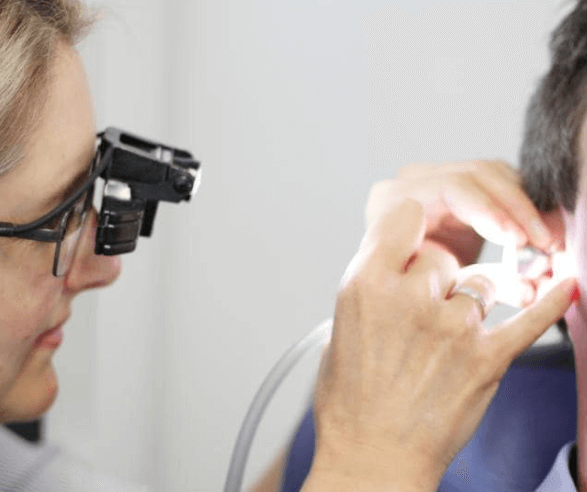
NICE, which writes guidance for the NHS in England, names microsuction alongside electronic ear irrigation and manual removal as methods a trained practitioner can use, and doesn't rank them. What matters is training, knowing when a method shouldn't be used and having the right equipment.
What happens at a microsuction appointment
Most appointments follow the same pattern. Allow around half an hour in total, though the removal itself is quicker.
- A few questions first. Expect to be asked about your symptoms and about any ear surgery, perforated eardrum, grommets, ear infections or discharge. Mention hearing aids, tinnitus or dizziness, and any medicines you take.
- A look in both ears. The clinician checks with an otoscope or camera that the problem really is wax, and that nothing suggests an infection or something that needs a GP instead.
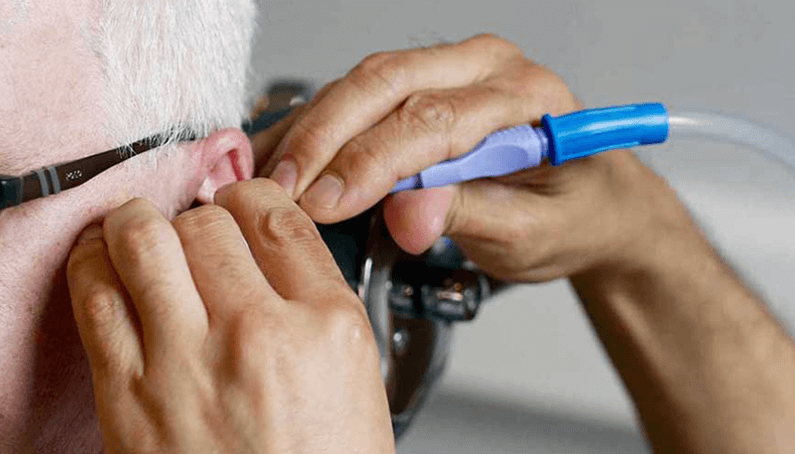
- Getting comfortable. You sit in a reclining chair or lie back with your head turned to one side. The clinician gently draws your outer ear up and back to straighten the canal.
- The suction. Working under magnification, they lift the wax out in pieces. Hard or stuck wax may be eased away from the canal wall first with a fine instrument such as a small hook or curette.
- A final check. With the canal clear, they look at your eardrum and tell you what they found. If a lot of hard wax is left, they may suggest a few days of drops and a second visit.
What microsuction feels like
Most people find it noisy rather than painful. Expect a loud hiss and crackle right next to your ear, louder when a piece of wax is on its way up the tube. It stops the moment the probe comes out. You might also notice:
- A cool feeling. Moving air cools the canal slightly, which can make you dizzy for a few seconds because the balance organ sits just beyond the eardrum. It usually settles within a minute or two.
- A tickle or a cough. A small branch of the vagus nerve supplies part of the ear canal, so touching the canal wall can set off a short cough.
- Pressure or mild discomfort where wax is stuck firmly to the skin.
Sharp pain is not normal: say so and the clinician will stop. Afterwards, sounds may seem loud and crisp for a while, your own voice included. That is simply your hearing coming back.
Do you need to use drops first?
It depends on the clinic and on your wax. Many clinics ask you to soften it for a few days first, because hard, dry wax is harder to lift. Others prefer you not to, as oil can make soft wax smeary. Follow your clinic's advice.
If you are asked to use drops, the NHS suggests 2 to 3 drops of olive or almond oil in the affected ear, 3 to 4 times a day, for 3 to 5 days, lying with that ear facing up for 5 to 10 minutes afterwards. Pharmacy drops such as sodium bicarbonate or urea hydrogen peroxide do a similar job. Our guide on how to use ear drops covers the technique.
Leave out the drops if your eardrum might be perforated
Don't put oil or any other drops in your ear if you have, or think you might have, a hole in your eardrum. Avoid almond oil if you are allergic to nuts. Tell the clinic either way: microsuction is often done with no softening at all.
Who microsuction suits, and when it may not
Microsuction suits most adults with a build-up of wax. Because it is dry, it is often the preferred option when water should be kept out of the ear.
Often chosen if you
- have a perforated eardrum, or have had one in the past
- have grommets, or had them recently
- have had ear surgery, such as a mastoid operation
- tend to get outer ear infections after water gets in your ears
Some people in this group, particularly after major ear surgery, are better seen in a hospital ENT clinic, so mention your history when you book. Microsuction is also popular with hearing aid users, whose aids stop wax finding its own way out. Our guide to ear wax and hearing aids explains why.
It may not be the best choice if:
- loud noise distresses you, for example because of hyperacusis or troublesome tinnitus. Ear irrigation or manual removal may be more comfortable.
- you can't keep still for a few minutes with your head turned. This is one reason young children are usually seen by a GP first. See our advice on ear wax in children.
- your ear is painful, swollen or discharging. That sounds more like an infection than wax, so speak to a pharmacist or GP first.
Risks and side effects of microsuction
Microsuction has a good safety record in trained hands, but nothing done inside the ear is completely free of risk. Side effects are usually minor and wear off within minutes or hours:
- Dizziness during or just after the procedure
- A little soreness, itching or tenderness in the canal
- Brief ringing, or a muffled feeling
- A spot of blood from a small graze on the canal wall
Less common problems include an infection of the ear canal after a graze, damage to the eardrum and a longer-lasting change in hearing or tinnitus. Our guide is microsuction safe? looks at each risk in more detail.
Contact your GP or NHS 111 if, after microsuction, you have
- severe or worsening ear pain
- discharge, or bleeding that doesn't stop
- hearing that is suddenly worse than before
- dizziness that doesn't settle, or a high temperature
- swelling around the ear, or weakness in your face
Aftercare
You can usually go straight back to what you were doing. Your ear may feel a little tender or itchy for a day. Keep cotton buds and fingers out of the canal, and if you wear hearing aids, clean the domes or moulds before putting them back in so old wax isn't carried straight back. Some clinicians suggest keeping the ear dry for a day or two if the canal was sore, so ask what they recommend.
If wax builds up again quickly, ask whether occasional drops or regular checks would help. See our guides to aftercare after ear wax removal and how often ear wax should be removed.
Microsuction or ear irrigation?
Both work well in trained hands, and NICE doesn't favour one over the other. The practical differences:
| Microsuction | Ear irrigation | |
|---|---|---|
| How the wax comes out | Lifted out with gentle suction | Washed out with warm water |
| Drops beforehand | Sometimes | Usually, for up to 5 days |
| View of the wax | Throughout, under magnification | Checked between bursts of water |
| Noise | A loud hiss | Quieter, with some gurgling |
| Perforated eardrum or grommets | Often suitable, after discussion | Not suitable |
For more detail, read microsuction vs ear irrigation or see how ear irrigation works.
How much does microsuction cost?
Private prices vary with the clinic and the part of the country. As a rough guide, a clinic appointment for both ears typically costs somewhere between £45 and £100, and some clinics charge less for one ear. Home visits cost more. Check whether the price covers a second visit if the wax can't all come out first time. Our guide to ear wax removal costs in the UK explains what affects the price.
Find a clinic
Looking for microsuction near you?
Search by town or postcode to see ear wax removal clinics nearby, then book online or call the clinic direct.
Can you get microsuction on the NHS?
Sometimes, but it depends where you live. NICE guidance says adults should be offered ear wax removal in primary care or community ear care services when wax is causing hearing loss or other symptoms, or has to come out so the ear can be examined or a hearing aid mould taken. In practice many GP surgeries no longer remove wax, and not every area has a community service.
Ask your GP surgery or a pharmacist what is available locally. Where there is an NHS service, it may offer irrigation rather than microsuction. Our guide to ear wax removal on the NHS explains the options.
Common questions
Does microsuction hurt?
It shouldn't. Most people find it noisy and a little odd rather than painful. You may feel pressure where wax is stuck to the skin, a cool draught or a tickle that makes you cough. Sharp pain isn't normal, so tell the clinician and they will stop.
How long does microsuction take?
The suction itself usually takes a few minutes per ear. With the questions beforehand and the checks afterwards, allow around half an hour for the appointment. Very hard or deep wax sometimes needs a few days of drops and a second visit.
Can microsuction damage your hearing?
It is rare. The suction is loud close up, and a few people notice ringing or a muffled feeling for a short while afterwards. Lasting changes to hearing, and damage to the eardrum, are uncommon when a trained clinician does it. If your hearing is worse after treatment rather than better, contact the clinic or your GP.
Can I have microsuction with a perforated eardrum?
Often, yes. Because no water goes into the ear, microsuction is usually the method chosen when irrigation isn't safe. Tell the clinic about the perforation when you book. Some people, particularly after ear surgery, are better seen in a hospital ear, nose and throat (ENT) clinic.
How often can you have microsuction?
As often as you genuinely need it. Plenty of people only ever have it once, while some hearing aid users need it every few months. There is no benefit in removing wax that isn't causing problems. See how often ear wax should be removed.


