Warm water from an electronic pump
Ear irrigation for ear wax
Ear irrigation washes softened wax out of the ear canal with a controlled flow of warm water from an electronic pump. It is quick and widely used, but it isn't safe for every ear, and it works best after a few days of drops.

At a glance
- How long it takes
- Usually a few minutes per ear
- What it feels like
- Warm and gurgly; a few people feel briefly dizzy
- Drops beforehand
- Yes, usually for up to 5 days first
- Water used
- Yes, close to body temperature
- Who does it
- A trained nurse, audiologist or ear care practitioner
- NHS and NICE position
- One of the methods NICE says trained practitioners can use
In short
- An electronic irrigator pumps warm water into the ear canal at a pressure the clinician controls, washing softened wax out.
- NICE lists it, with microsuction and manual removal, as a method trained practitioners can use. It replaced the old hand-pushed metal syringe.
- Softening the wax first matters. NICE advises wax softeners before irrigation, either on the day or for up to 5 days beforehand.
- It isn't used if you have or have had a perforated eardrum, have grommets, have had ear surgery or have an ear infection.
- Brief dizziness and mild discomfort are the usual side effects. Infection and damage to the eardrum are uncommon.
For years, having your ears flushed out by the practice nurse was the standard fix for a blocked ear. The method has moved on since then. Modern ear irrigation uses an electronic pump rather than a hand-held metal syringe, and the pressure is set by the machine instead of by someone's thumb. It remains a common way to clear ear wax in GP surgeries and private clinics.
What is ear irrigation?
Ear irrigation washes ear wax out with water. An electronic irrigator pumps water, warmed to around body temperature, through a nozzle fitted with a single-use tip. The clinician chooses the pressure, starts low and can stop the flow instantly.
The water isn't aimed straight at your eardrum. It is directed along the upper back wall of the ear canal, so it flows past the wax, builds up behind it and pushes it out. Water and wax drain into a small basin held under your ear.
You will still hear this called ‘syringing’, sometimes by GP surgeries, although the old hand-pushed metal syringe is no longer used and NICE says it should not be offered. Our page on ear syringing explains the difference.
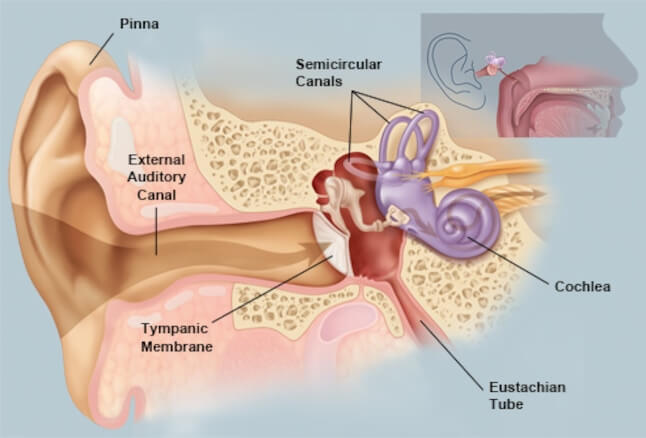
How ear irrigation is done, step by step
- Questions and a look in your ears. The clinician asks about perforations, grommets, ear surgery, infections and discharge, then checks with an otoscope that the blockage is wax and the canal looks healthy.
- Getting set up. You sit upright with a waterproof cape or towel over your shoulder. A basin is held against your neck, under the ear, sometimes by you.
- Straightening the canal. The clinician gently pulls your outer ear up and back and places the tip just inside the entrance of the canal. It doesn't go deep.
- Short bursts of water. Warm water flows in for a few seconds at a time. Between bursts, the clinician looks in to see how much wax has come away.
- Draining and a final check. Once the canal is clear, they tilt your head to let the water out, dry the entrance of the ear and check your eardrum.
Stubborn wax doesn't mean trying harder. NICE advises softening drops again, or putting a little water into the canal 15 minutes before a second attempt. If that fails too, the next step is a referral to a specialist ear care or ear, nose and throat (ENT) service, not a third go.
Preparing: softening the wax first
Irrigation works far better on soft wax, so preparation matters more than it does for microsuction. NICE advises using a wax softener either immediately before irrigation or for up to 5 days beforehand, and you will usually be asked to do the second.
The NHS suggests:
- 2 to 3 drops of olive or almond oil in the blocked ear
- 3 to 4 times a day, for 3 to 5 days
- lying on your side, treated ear facing up, for 5 to 10 minutes after each dose
Pharmacists also sell softening drops such as sodium bicarbonate or urea hydrogen peroxide. Your ear may feel more blocked for a day or two as the wax swells. That is common, and it doesn't mean the drops aren't working. Our guide on how to use ear drops explains how to get them where they need to go.
Don't use drops if your eardrum might be perforated
Oil and softening drops can reach the middle ear through a hole in the eardrum. If you have ever had a perforation, or your ear is painful or discharging, speak to a pharmacist or GP before using anything. Avoid almond oil if you have a nut allergy.
What it feels like and how long it takes
Most people find irrigation strange rather than painful. You feel warm water filling the ear, hear a gurgling rush and may notice some pressure. A trickle sometimes escapes down your neck, basin or not. When a plug of wax comes free, your hearing often comes back all at once.
Water that isn't close to body temperature can make you dizzy for a short time, because temperature changes in the ear canal affect the balance organ nearby, so the clinician checks it before starting. Tell them straight away if you feel dizzy, sick or in pain.
The irrigation itself usually takes a few minutes per ear. With the questions and checks, the whole appointment is often around half an hour.
Who shouldn't have ear irrigation?
Because water goes into the ear under pressure, irrigation is avoided when it could get through the eardrum, carry infection deeper or disturb an ear that is healing. A clinician will usually choose another method if you:
- have a perforated eardrum, or have had one in the past
- have grommets, or had them recently
- have had surgery on your ear
- have an ear infection, or pain or discharge from the ear
- had problems with irrigation before, such as pain or dizziness that didn't settle
In these situations microsuction or manual removal by a trained clinician is usually the safer choice, because nothing wet goes in. Mention your ear history when you book, even if it was years ago.
Risks and side effects of ear irrigation
Electronic irrigation is far more controlled than the old metal syringe, and problems are uncommon when it is done by someone trained to use it. The side effects people notice most are short-lived:
- Dizziness or feeling sick for a few minutes
- Discomfort or pressure during the flush
- Ringing in the ear for a short while afterwards
- A slightly sore or itchy canal for a day or so
Less often, water left in the canal or a small graze leads to an outer ear infection (otitis externa) a few days later, with itching, pain and sometimes discharge. Damage to the eardrum is rare with electronic irrigation, but it can happen, which is why the questions about your ear history matter so much. And sometimes irrigation simply doesn't shift the wax, so you need a second attempt or a different method.
Contact your GP or NHS 111 if, after irrigation, you have
- severe or worsening ear pain
- discharge, or bleeding from the ear
- hearing that is suddenly worse than before
- dizziness that doesn't settle, or a high temperature
- swelling around the ear, or weakness in your face
Ear irrigation or microsuction?
NICE treats the two as alternatives. Irrigation is quieter, and where wax removal is still offered on the NHS it is often what the practice nurse uses. Microsuction keeps the ear dry, often needs no drops and lets the clinician watch the wax throughout. For many people either would work.
| Ear irrigation | Microsuction | |
|---|---|---|
| How the wax comes out | Washed out with warm water | Lifted out with gentle suction |
| Drops beforehand | Usually, for up to 5 days | Sometimes |
| View of the wax | Checked between bursts of water | Throughout, under magnification |
| Noise | Quiet, with some gurgling | A loud hiss |
| Perforated eardrum or grommets | Not suitable | Often suitable, after discussion |
Our full comparison of microsuction and ear irrigation goes into more detail if you are weighing them up.
Aftercare
Tilt your head to let any leftover water drain out, and dry the outer ear gently with a towel. Over the next few days:
- keep cotton buds and fingers out of the ear canal
- keep the ear dry for a day or two if the clinician suggests it, for example by skipping a swim
- look out for signs of infection, such as itching, pain, swelling or discharge, and see a pharmacist or GP if they appear
If your hearing is no better, or the ear still feels blocked, go back to the clinician rather than trying again at home. Our aftercare guide covers the first few days in more detail.
Find a clinic
Would you rather see a clinic this week?
Search by town or postcode to find ear wax removal clinics nearby, then book online or call the clinic direct.
Cost and NHS availability
NICE guidance says adults should be offered ear wax removal in primary care or community ear care services when wax is causing hearing loss or other symptoms. Where GP surgeries still remove wax, irrigation by a practice nurse has long been the usual method, but many have stopped, so ask at yours or at a pharmacy. Our guide to ear wax removal on the NHS explains the options.
Private prices vary with the clinic and the area. As a rough guide, a clinic appointment for both ears typically costs between £45 and £100, whichever method is used, and home visits cost more. See how much ear wax removal costs for what is usually included.
Common questions
Is ear irrigation the same as ear syringing?
Not quite, though the words are often swapped. Ear syringing meant pushing water in by hand from a large metal syringe. Irrigation uses an electronic pump with a pressure the clinician sets. NICE says manual syringing should not be offered, so a surgery that ‘syringes’ ears today almost certainly means irrigation. See our page on ear syringing.
Does ear irrigation hurt?
It shouldn't. Most people feel warm water, pressure and a gurgling noise. Water that is too cool or too warm can make you dizzy for a moment. Tell the clinician straight away if it hurts, and they will stop.
How long should I use olive oil before ear irrigation?
Follow what the surgery or clinic tells you. NICE advises using a wax softener either just before irrigation or for up to 5 days beforehand. The NHS suggests 2 to 3 drops of olive or almond oil, 3 to 4 times a day, for 3 to 5 days. See our guide on how to use ear drops.
Can ear irrigation damage your eardrum?
It can, but it is uncommon with electronic irrigation done by someone trained to use it. The risk is higher if the eardrum is already weak or has a hole in it, which is why you will be asked about perforations, grommets and ear surgery first, and why irrigation is avoided in those cases.
What happens if ear irrigation doesn't work?
NICE advises using softening drops again, or putting a little water in the ear 15 minutes before a second try. If a second attempt still doesn't clear the wax, you should be referred to a specialist ear care service or an ear, nose and throat (ENT) service. Some people choose microsuction privately instead.
Can I irrigate my own ears at home?
Bulb syringes and ear wash kits are sold for home use, but you can't see what you are doing, and water should never go into an ear with a perforated eardrum, grommets or an infection. Ask a pharmacist first. Drops alone clear many blockages: see our page on do-it-yourself methods.


