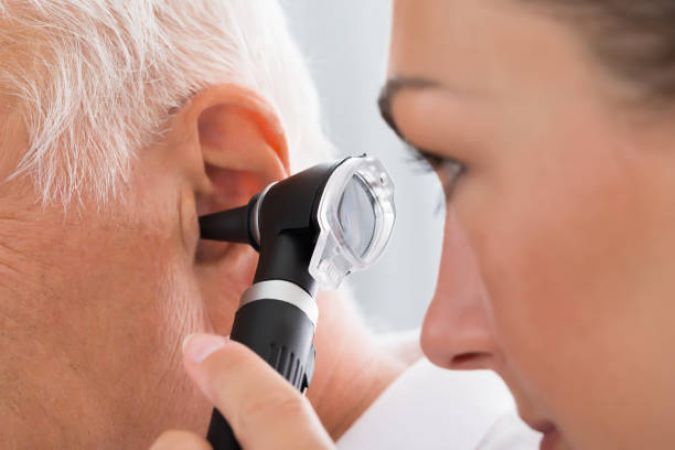
Ear Cleaning
5 Foolproof Ways to Clean Your Ears - Allegedly
As hard as it may be to believe, ear wax is actually good for your ears because it protects, lubricates and acts as an antibacterial agent. Ears can clean themselves naturally by pumping the excess wax out of the canal which then falls out of the ear opening in the form of dried-up clumps.
However, it does not always happen this smoothly, and so, many are tempted to lend a helping hand to the cleaning process, and whilst some of these approaches are a lot safer than others, none are without risk.
Here is a viewpoint from some expert Audiologists and ENT specialists…
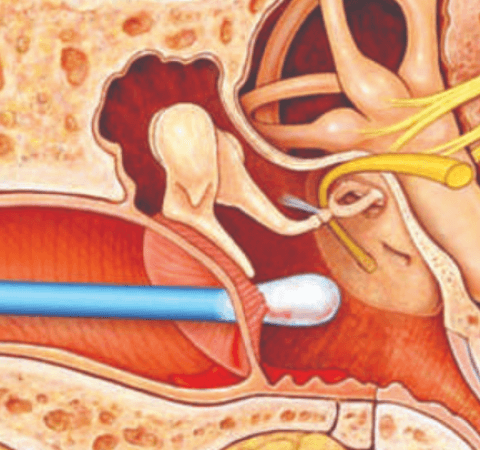
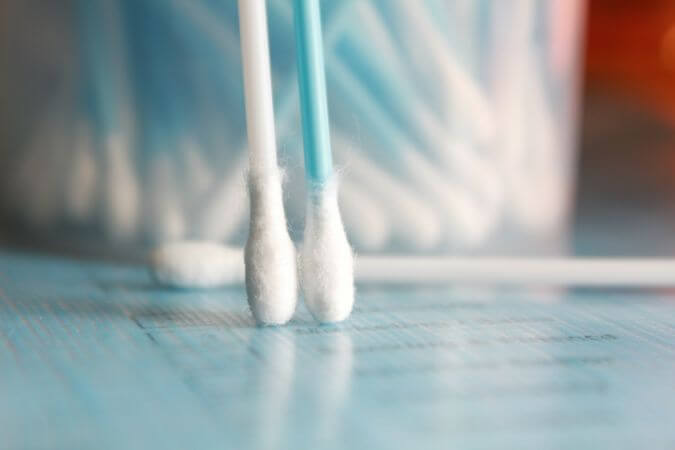
First and foremost: using cotton ear buds is an absolute no-no, because it pushes the wax deeper into the ear canal, closer to the ear drum and blocking sound waves. There have even been cases of people ending up with punctured ear drums and experiencing hearing loss because they used a cotton bud too aggressively.
In terms of the techniques that have more merit than cotton ear buds, here they are, with our professional point of view included:
1. Saline Solution
A solution of salt and water is very effective at softening the wax, which can then be drained out. You only need to dissolve one tablespoon of salt in half a cup of water and then use a dropper to put a couple of drops of water in your ear. Saline solutions can also be purchased ready made from a chemist. Keep your head tilted when dropping in the solution and then reverse the direction to let it drain out. Whilst this is an effective way to prevent excessive wax build up, it also runs the risk of infection because your ear is a dark, warm place where bacteria can flourish, and most Audiologists would advise keeping your ears dry at all times to prevent the risk of ingress via water-borne bacteria.
2. Natural Oils
Natural oils such as olive oil and paraffin oil are supposed to be very good ear wax removal agents. However, this approach is messy, and also carries the risk of the wax actually expanding in your ear upon absorption of the oil.
3. DIY Solutions
You can make your own cleaning solution by mixing white vinegar and rubbing alcohol in equal parts. Another solution you can prepare is by using equal parts of 3% hydrogen peroxide and water. Insert a few drops in the ear and shake your head to let it seep in. After a few minutes you can tilt your head down to the side and drain it out. The danger here is that if your ear is scratched (e.g. from the ill-advised insertion of a cotton ear bud), the alcohol or hydrogen peroxide will cause you pain. And it’s difficult at home (and therefore risky) to measure out the precise amounts recommended.
4. Ear Drops
There are several solutions available over the counter in pharmacies which can soften the ear wax so you can remove it using tissue paper. However these solutions are made from ingredients either similar or identical to those listed above, and therefore come with the same risks. Not to mention that it’s never a good idea to stick anything inside your ear – even tissue paper – in case it gets stuck there.
5. Cleaning Tools
There are mechanical tools available online and in pharmacies, and work by rotating gently inside the ear and loosening the trapped ear wax rather than pushing it deeper. Even though they also come with safety caps to prevent deep insertion and hearing loss, you cannot see what you are doing – and nor can anyone doing it for you, as your ear is dark and has two bends. Most Audiologists would therefore never recommend the use of mechanical tools at home to clean your ears.
Filed under Ear Cleaning
Are you looking for ear wax removal?
These clinics are part of our network. Open a clinic's page to see what it offers, when it is open and how to book.